

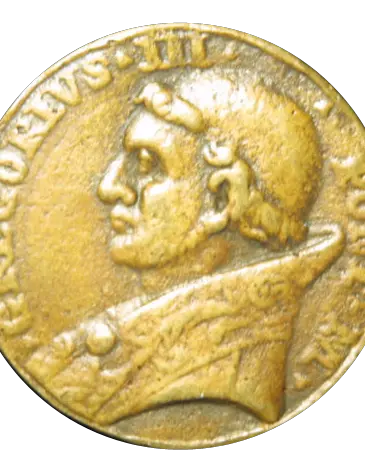
Pope Saint Gregory III
Syrian-born pope who opposed iconoclasm, backed Boniface and appealed to the Franks
- Rank
- Saint
- Kind
- Pope
- Life
- d. 741
- Era
- 8th century
- Feast
- 28 November
- Countries
- Syria, Italy
Life story
Gregory III was of Syrian family, the son of a Syrian named John. He was the last pope of Syrian origin. The people of Rome chose him by acclamation on 11 February 731 while he attended the funeral of his predecessor. He was consecrated on 18 March, after the Byzantine exarch of Ravenna had approved the election.
His reign coincided with the dispute over the destruction of holy images begun by Emperor Leo III. Gregory sent envoys and letters of protest, and synods held at Rome in 731 condemned iconoclasm. The emperor responded by seizing the papal estates in Sicily and Calabria. In the crypts of St Peter's he built an oratory and ordered special prayers to be said there; he was buried in the oratory of Our Lady that he had built in St Peter's.
In the west, he made Boniface an archbishop in 732, and after Boniface's visit to Rome in 737 or 738 sent him back to Germany as papal legate. Under pressure from the Lombard king Liutprand, Gregory repaired the walls of Rome, and in 739 and again in 740 he appealed for help to Charles Martel, mayor of the palace of the Franks. Frankish envoys came to Rome in 739, but the help he sought did not come. Gregory died in 741 and was succeeded by Pope Zachary; the month is uncertain, and the Roman Martyrology commemorates him on 28 November.
Works and witness
- Pope from March 731 until his death in 741
- Held synods at Rome in 731 that condemned iconoclasm
- Made Boniface an archbishop in 732 and legate after his Rome visit
- Repaired Rome's walls and appealed to Charles Martel against the Lombards
- Built an oratory of Our Lady in St Peter's, where he was buried
Saints from the same country
References
- Catholic Encyclopedia (New Advent), 'Pope St. Gregory III', 1909
- Catholic Encyclopedia (New Advent), 'St. Boniface' (pallium and legateship)
Written by Anawim from documented history. Some details about ancient saints rest on tradition and are marked as such.