

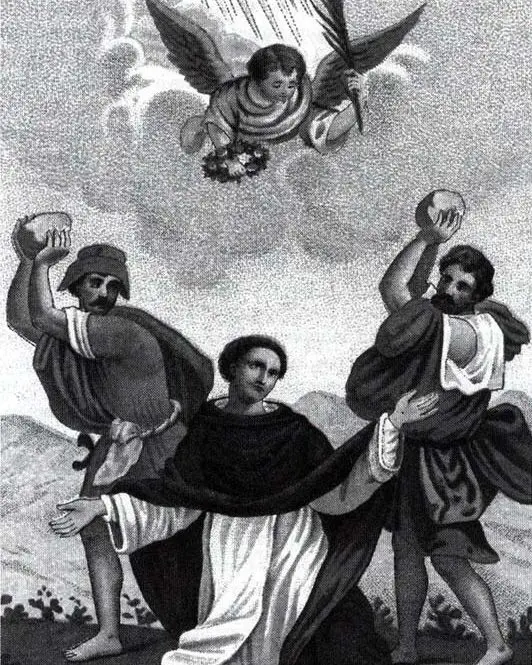
Blessed Anthony Neyrot
A Dominican friar who renounced his faith in captivity, then died for it in Tunis
- Rank
- Blessed
- Kind
- Martyr, Religious, Priest
- Life
- 1425 – 1460
- Era
- 15th century
- Feast
- 10 April
- Countries
- Italy, Tunisia
Life story
Anthony Neyrot was born around 1425 at Rivoli in Piedmont, Italy. He joined the Dominicans, was ordained priest, and studied at the convent of San Marco in Florence, where Saint Antoninus was prior and his guide. He later asked to be moved, was sent to Sicily, and then set out for Naples.
In 1458 the ship carrying him was captured by Moorish pirates and its passengers were taken to North Africa. Accounts say the ruler of Tunis at first treated him well, but his manner irritated his captors. After he broke down under a diet of bread and water, he renounced Christianity in order to gain his freedom.
He later heard that Antoninus had died and, according to tradition, dreamed of his old teacher. He resolved to return to the faith, knowing it would probably cost his life. He found a Dominican priest to hear his confession, and on Palm Sunday 1460 publicly asked forgiveness from the Christians and was readmitted to his order.
He then proclaimed his faith during a royal procession and was ordered stoned. The sources place his death at Tunis on 10 April 1460, in Holy Week. Genoese merchants ransomed his body and brought it to Rivoli, where his tomb became a pilgrimage site. Pope Clement XIII approved his cult and beatified him on 22 February 1767.
Works and witness
- Joined the Dominicans and studied under Antoninus at San Marco, Florence
- Captured by pirates in 1458 and taken to Tunis
- Renounced Christianity in captivity, then repented and was readmitted
- Stoned to death on 10 April 1460
- Beatified on 22 February 1767
Saints from the same country
References
- Martyrologium Romanum (10 April)
- Butler's Lives of the Saints, entry for 10 April
- Decree of beatification, Clement XIII, 1767
Written by Anawim from documented history. Some details about ancient saints rest on tradition and are marked as such.