

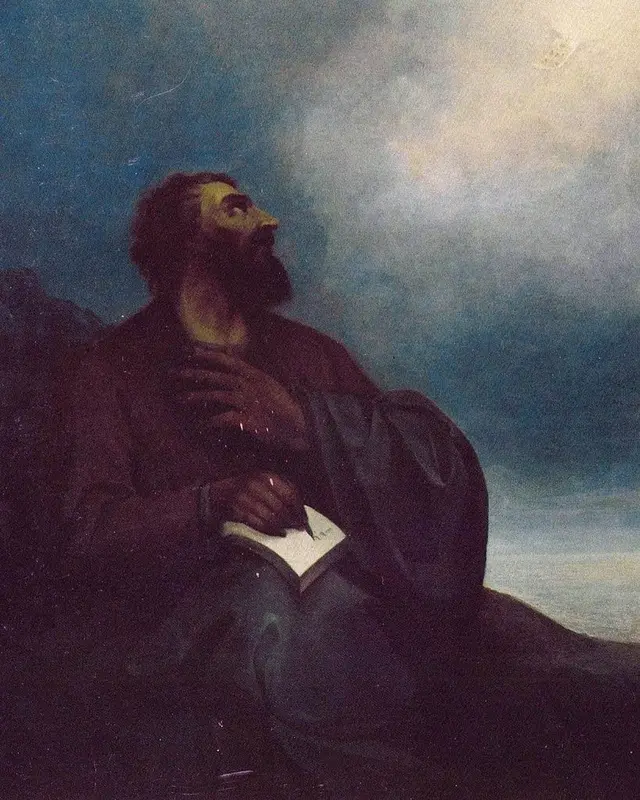
Saint Mesrop Mashtots
Armenian priest and scholar traditionally credited with creating the Armenian script around 405
- Rank
- Saint
- Kind
- Priest, Missionary
- Life
- ~362 – 440
- Era
- 5th century
- Countries
- Armenia, Georgia
Life story
Mesrop Mashtots was born around 361 at Hatsekats in the Taron district of Greater Armenia; sources give birth years from about 360 to 364. He served at the royal court at Vagharshapat, helping draft decrees in Persian and Greek. He later became a monk and scholar.
The main source for his life is the Life of Mashtots by his disciple Koryun, written a few years after his death. According to tradition, around 405 he devised the Armenian alphabet, with the help of the Catholicos Sahak Partev and the support of King Vramshapuh; the original alphabet had 36 letters. It was used first to translate the Bible into Armenian, opening the golden age of Armenian literature. Medieval sources also credit him with the Georgian and Caucasian Albanian scripts, but this is disputed.
Sahak died in 439, and according to Koryun Mashtots died the next year, 440, in the first year of the Persian king Yazdgard II; the traditional date is 17 February 440 at Vagharshapat. He was buried at Oshakan, and, according to Koryun, three years later Vahan Amatuni built a church over his grave. The Armenian Apostolic and Armenian Catholic churches venerate him as a saint, and the Armenian Church keeps the Holy Translators in October.
Works and witness
- Worked at the royal court of Vagharshapat before becoming a monk
- By tradition devised the Armenian alphabet around 405 with Sahak Partev
- Promoted the translation of the Bible into Armenian
- Died, traditionally, on 17 February 440 and was buried at Oshakan
Saints from the same country
References
- Koryun, The Life of Mashtots (English text at aybuben.com)
- Britannica, 'Saint Mesrop Mashtots' and 'Armenian alphabet' (via search summaries; page body blocked)
- Wikipedia article on Mesrop Mashtots (read first half; birthplace, 36 letters, death date)
Written by Anawim from documented history. Some details about ancient saints rest on tradition and are marked as such.