

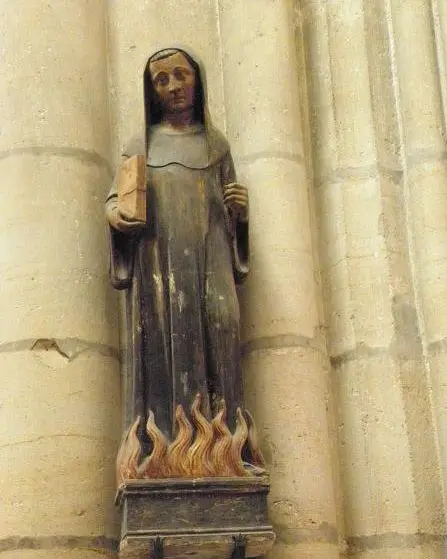
Saint Odilo of Cluny
Abbot of Cluny for nearly half a century, who set up All Souls on 2 November
- Rank
- Saint
- Kind
- Religious
- Life
- 962 – 1049
- Era
- 11th century
- Feast
- 19 January
- Countries
- France
Life story
Odilo was born around 962 into a noble family of Auvergne and was trained as a cleric at the seminary of Saint Julian in Brioude. In 991 he entered Cluny and soon became coadjutor to Abbot Mayeul. Shortly before Mayeul died in 994, Odilo became abbot and received holy orders.
During his leadership the number of monasteries affiliated with Cluny grew from 37 to 65, including five new foundations and 23 that adopted the reform. He travelled to Italy nine times and attended several synods there. He declined the archbishopric of Lyons, offered by two popes. He also built a large monastery at Cluny.
From 1041 he promoted the Truce of God. During the famines of 1028 to 1033 his charity saved many from death. He had influence with emperors, with Otto III from 998 and close ties to Henry II, and he attended the coronation of Henry III in Rome in 1046.
He established the commemoration of all the faithful departed on 2 November at Cluny and its monasteries, probably after 1030 rather than in 998; it was soon taken up across the Church. He died at the turn of the year 1048-1049 during a visitation of the monastery of Souvigny and was buried there. In 1063 Saint Peter Damian began the process for his canonization; his relics were burned during the French Revolution in 1793.
Works and witness
- Entered Cluny in 991 and became abbot in 994
- Affiliated monasteries grew from 37 to 65 under him
- Promoted the Truce of God from 1041
- Gave relief to the hungry during the famines of 1028-1033
- Established the 2 November commemoration of the dead in his congregation's monasteries
Saints from the same country
References
- Catholic Encyclopedia (1911), entry St. Odilo (New Advent, cathen/11207c)
Written by Anawim from documented history. Some details about ancient saints rest on tradition and are marked as such.