

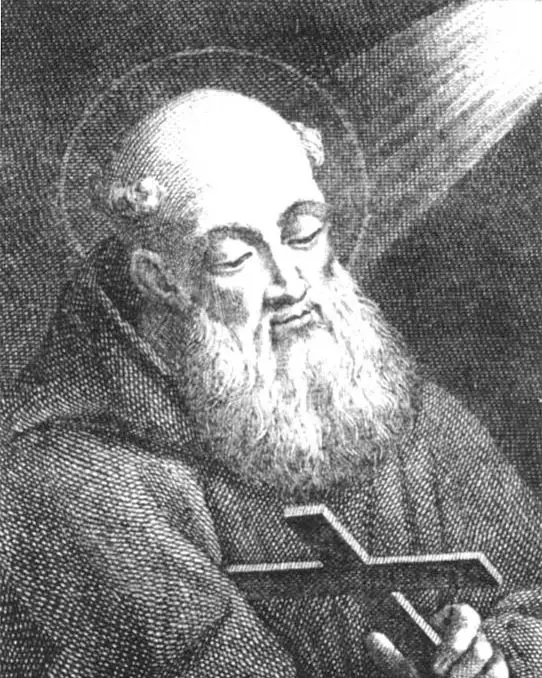
Saint Lawrence of Brindisi
A Capuchin linguist, preacher and envoy for peace
- Rank
- Saint
- Kind
- Doctor of the Church, Priest, Religious
- Life
- 1559 – 1619
- Era
- 17th century
- Feast
- 21 July
- Countries
- Italy, Germany, Portugal
Life story
Lawrence was born on 22 July 1559 at Brindisi in southern Italy, with the name Giulio Cesare Russo. He joined the Capuchins at Verona at sixteen and studied at Padua. He was known for his command of languages, among them Hebrew, Greek and several European tongues. He was ordained priest in 1582.
He soon held leadership posts and was elected superior of the Capuchin province of Tuscany at thirty-one. He preached across Italy and central Europe and founded Capuchin houses in Germany, Austria and Bohemia. In 1601 he was appointed chaplain to the army of Emperor Rudolf II in the campaign against the Ottomans in Hungary. In 1602 he was elected vicar general of the Capuchin order.
Later he served as papal nuncio in Bavaria and then in Spain, and in 1619 he was sent by Neapolitan nobles to meet the king of Spain to complain about their viceroy. During this journey he died at Lisbon on 22 July 1619, on his birthday. He was beatified in 1783 and canonised on 8 December 1881 under Leo XIII. In 1959 John XXIII declared him a Doctor of the Church. Besides his travels he left a large body of writing, including sermons and biblical commentaries, which is why the Church later honoured him with the title Doctor of the Church. He was also often asked to mediate in political disputes between princes. He is buried at Villafranca del Bierzo in Spain.
Works and witness
- Joined the Capuchins at sixteen and mastered several languages
- Chaplain to the army of Emperor Rudolf II in 1601
- Elected vicar general of the Capuchins in 1602
- Served as papal nuncio in Bavaria and Spain
- Declared a Doctor of the Church in 1959
Patron of
City of Brindisi
Saints from the same country
References
- Martyrologium Romanum
- Catholic Encyclopedia (1907–1912), entry on Lawrence of Brindisi
- Dicastery for the Causes of Saints – biographical profile
Written by Anawim from documented history. Some details about ancient saints rest on tradition and are marked as such.